
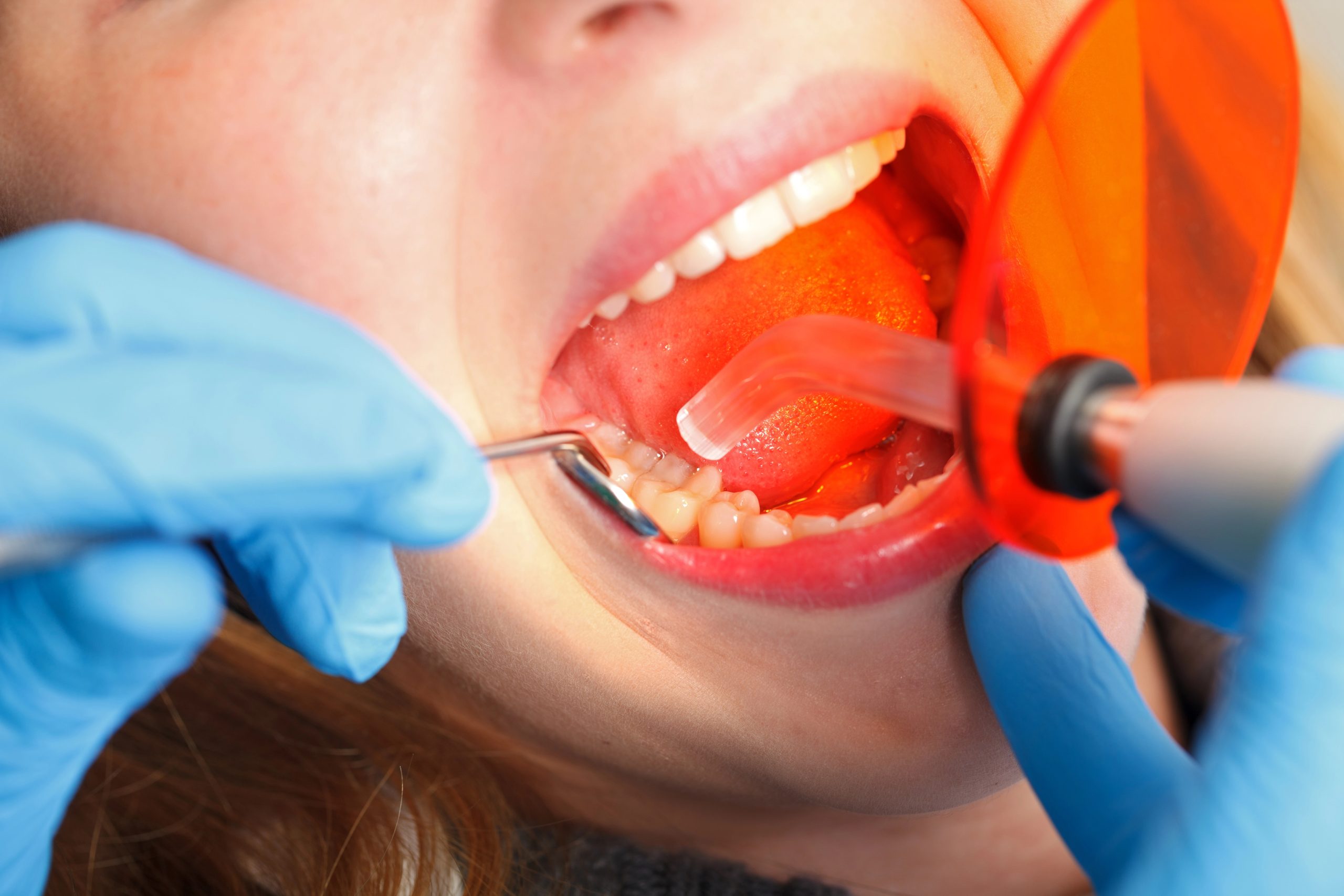
Understanding the Lifespan of Various Tooth Filling Materials
When it comes to maintaining oral health, one of the most common procedures performed by dentists is tooth filling. Whether due to decay or damage, fillings play a crucial role in restoring teeth and preventing further complications. However, understanding the lifespan of various filling materials can empower patients to make informed decisions about their dental care. In this blog post, we will explore the different types of tooth filling materials, their durability, and how they align with personalized modern smile solutions.
Types of Tooth Filling Materials
The choice of filling material significantly impacts not only the longevity of the restoration but also the overall aesthetics of a patient’s smile. Here are some commonly used filling materials:
- Amalgam Fillings: Known for their strength and durability, amalgam fillings are made from a mixture of metals including silver, mercury, tin, and copper. They typically last 10-15 years, making them ideal for back teeth where chewing pressure is greatest.
- Composite Resin Fillings: These tooth-colored fillings blend seamlessly with natural teeth, offering an aesthetic advantage. While they may last around 5-10 years, advancements in technology have improved their durability, making them suitable for both front and back teeth.
- Ceramic Fillings: Made from porcelain, ceramic fillings provide excellent durability and stain resistance. Their lifespan ranges from 10-15 years, and they are particularly favored for their natural appearance.
- Glass Ionomer Fillings: Often used for children or as temporary fillings, glass ionomer releases fluoride which helps protect teeth from further decay. Their lifespan is shorter, typically lasting about 5 years.
Factors Influencing the Lifespan of Fillings
While the type of filling material plays a significant role in its longevity, several other factors can influence how long a filling lasts:
- Oral Hygiene Practices: Regular brushing, flossing, and routine dental check-ups contribute to the health of fillings and surrounding teeth.
- Dietary Habits: Consuming sugary foods and beverages can lead to additional decay, potentially compromising the integrity of existing fillings.
- Grinding Teeth: Patients who grind their teeth (bruxism) may experience faster wear on fillings, necessitating more frequent replacements.
- Location of the Filling: Fillings placed in areas that endure high levels of stress, such as molars, may not last as long as those in less stressed locations.
Choosing the Right Filling Material
Selecting the appropriate filling material involves considering personal preferences, budget, and specific dental needs. Consulting with a qualified dentist is essential, as they can recommend options based on individual circumstances. At Sapphire Dental Studio, offers personalized modern smile solutions tailored to each patient’s unique situation. This ensures that every decision aligns with achieving confidence through expert smiles.
Maintaining Your Fillings
To maximize the lifespan of any filling, patients should adhere to good oral hygiene practices. Regular visits to the dentist allow for early detection of potential issues, ensuring timely interventions when necessary. Additionally, discussing any concerns about existing fillings with a trusted dentist can help maintain optimal oral health.
Take Action for Your Smile Today
If you’re considering tooth fillings or want to learn more about your options, don’t hesitate to reach out. At Sapphire Dental Studio, understands the importance of advanced comfort dental care and is committed to providing exceptional service. Schedule an appointment today by calling (407) 707-6218, or visit our website to explore our Tooth Fillings services. You can also contact us directly via our contact page. For directions, view us on Google Maps.
Your journey towards a healthier, brighter smile starts here!