
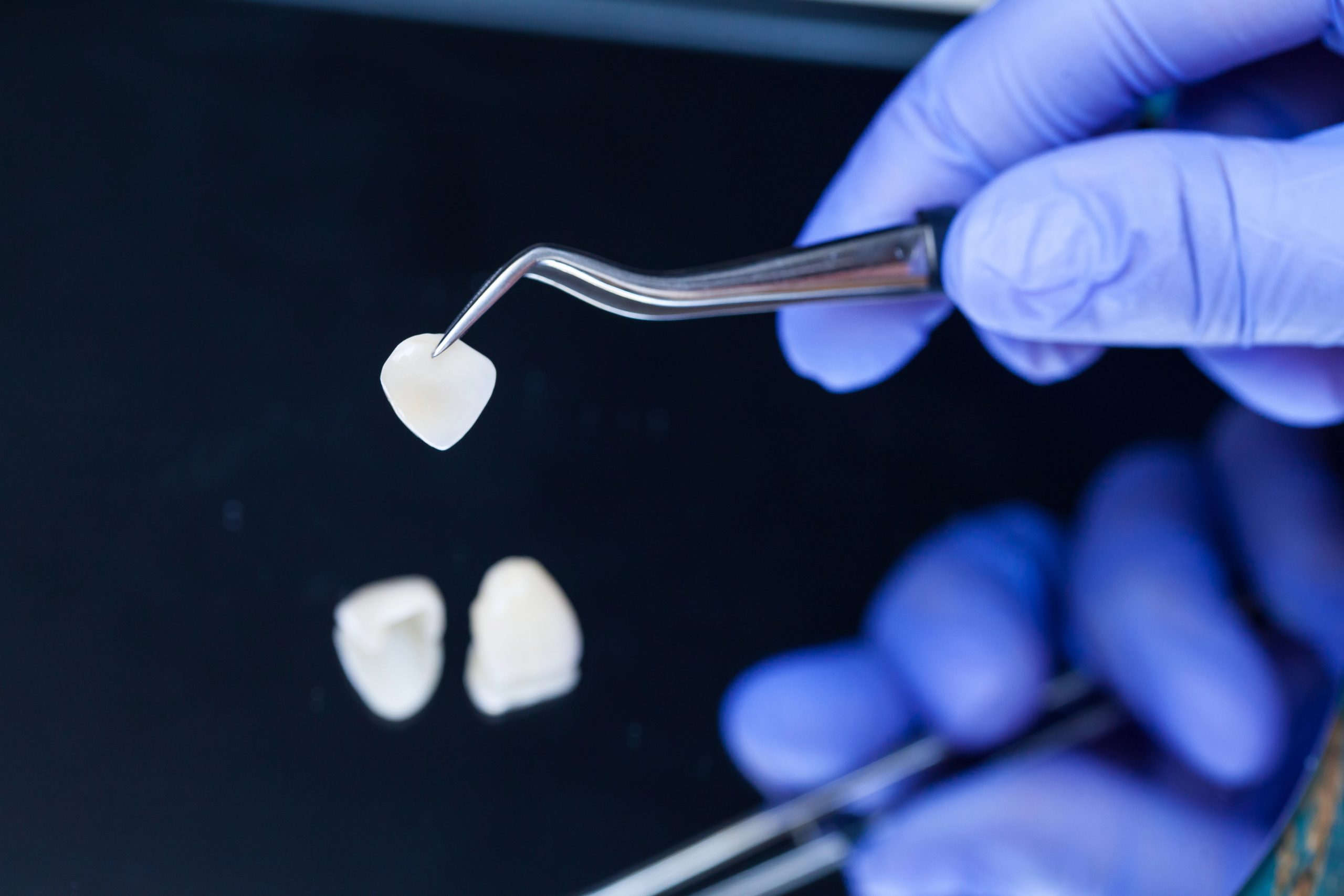
Are you curious about dental veneer vs crown differences and which option might suit your needs? Dental veneers are thin shells that cover the front surface of teeth, while crowns encase the entire tooth, each serving different purposes based on the condition of your teeth. Understanding these differences can help you make an informed decision about your dental care.
Dental Veneer vs Crown Differences: Definition of Veneers and Crowns
Dental veneer vs crown differences are essential to understand when considering dental restoration options. Veneers are thin shells made of porcelain or composite resin that are bonded to the front surface of teeth. They are primarily used for cosmetic purposes, such as improving the appearance of discolored, chipped, or slightly misaligned teeth. Crowns, on the other hand, are caps that cover the entire tooth. They are typically used to restore the shape, size, and strength of a tooth that has been significantly damaged or decayed.
While both veneers and crowns serve to enhance the appearance and function of teeth, they differ in their application and purpose. Veneers are less invasive and require minimal tooth reduction, making them suitable for minor cosmetic adjustments. Crowns involve more extensive preparation as they encase the entire tooth, providing a more robust solution for teeth that need structural support. For those interested in learning more about veneers, the article Dental Veneer for Chipped Tooth Repair: A Quick Fix for a Lasting Smile offers additional insights.
Material Composition Differences
When considering dental veneer vs crown differences, understanding the material composition is crucial. Veneers are typically made from porcelain or composite resin, offering a thin shell that covers the front surface of the tooth. This composition allows veneers to mimic the natural translucency and color of teeth, providing an aesthetically pleasing result. On the other hand, crowns are often crafted from materials like porcelain fused to metal, ceramic, or even gold alloys. These materials provide a more robust structure, as crowns encase the entire tooth, offering enhanced durability and strength.
The choice between veneers and crowns often hinges on the specific needs of the tooth and the desired outcome. While veneers are ideal for cosmetic enhancements, crowns are more suited for teeth that require significant restoration due to damage or decay. For those exploring their options, understanding these material differences can be a key factor in making an informed decision. To learn more about veneers and their applications, visit our Winter Garden Veneer Services.
Application Process Overview
When considering dental veneer vs crown differences, understanding the application process is crucial. Dental veneers are thin shells applied to the front surface of teeth, typically requiring minimal tooth preparation. In contrast, crowns cover the entire tooth, often necessitating more extensive reshaping to ensure a proper fit. Both procedures involve taking impressions and may require multiple visits to complete, but the specific steps can vary based on individual dental needs and the materials used.
Durability and Longevity Comparison
When considering dental veneer vs crown differences, it’s essential to understand how each option fares in terms of durability and longevity. Dental veneers, typically made from porcelain or composite resin, are designed to cover the front surface of teeth and can last anywhere from 7 to 15 years with proper care. On the other hand, crowns, which encase the entire tooth, are often crafted from materials like porcelain, metal, or ceramic and can last between 10 to 30 years. The choice between veneers and crowns may depend on the specific dental needs and lifestyle of the individual. For more information on dental options, visit Sapphire Dental Studio, your trusted Winter Garden Dentist.
Aesthetic Outcomes and Appearance
When considering dental veneers versus crowns, aesthetic outcomes and appearance play a crucial role in decision-making. Both options aim to enhance the visual appeal of teeth, but they achieve this in different ways. Veneers are typically thin shells that cover the front surface of teeth, offering a natural look by mimicking the translucency and color of real enamel. Crowns, on the other hand, encase the entire tooth, providing a more comprehensive transformation that can address significant discoloration or structural issues. The choice between veneers and crowns often depends on the desired level of change and the specific aesthetic goals of the individual.
Cost Considerations and Factors
When evaluating dental veneer vs crown differences, cost considerations and factors play a significant role in decision-making. The price of veneers and crowns can vary widely based on materials, complexity, and geographic location. Veneers often require less tooth preparation, which might influence the overall cost, while crowns typically involve more extensive work to restore the tooth’s function and appearance. Additionally, insurance coverage may differ between the two options, impacting out-of-pocket expenses. Understanding these financial aspects is crucial when comparing dental veneer vs crown differences to determine the most suitable choice for individual needs.
Suitability for Dental Issues
When considering dental veneer vs crown differences, it’s essential to understand their suitability for various dental issues. Veneers are typically used for cosmetic enhancements, such as covering discolored or slightly misaligned teeth, while crowns are often employed to restore teeth that are significantly damaged or decayed. The choice between veneers and crowns largely depends on the extent of the dental issue and the desired outcome, making it crucial to evaluate the specific needs of each case.
Maintenance and Care Requirements
When considering dental veneer vs crown differences, understanding the maintenance and care requirements is essential. Both options require regular oral hygiene practices, such as brushing and flossing, to maintain their appearance and longevity. While veneers are typically less invasive, they may be more susceptible to chipping, necessitating careful handling. Crowns, on the other hand, cover the entire tooth and may offer more durability but still require consistent care to prevent issues like gum disease or decay at the margins. Regular dental check-ups are crucial for both veneers and crowns to ensure they remain in optimal condition.
Potential Risks and Complications
When considering dental veneer vs crown differences, it’s important to be aware of potential risks and complications associated with each option. Both veneers and crowns can lead to tooth sensitivity, especially if the underlying tooth structure is compromised during preparation. There’s also a risk of the veneer or crown becoming loose or dislodged over time, which may require additional dental visits for repair or replacement. In some cases, the natural tooth may experience decay if the veneer or crown does not fit perfectly, allowing bacteria to enter. Additionally, allergic reactions to materials used in veneers or crowns, though rare, can occur. Understanding these potential issues is crucial when evaluating dental veneer vs crown differences.
Conclusion
Understanding dental veneer vs crown differences can help you make an informed decision. For more information, call us at (407) 707-6218 or read our reviews on Google Maps.